
 English
 Español
 Italiano
Mizar | Corrosion resistance
Corrosion resistance
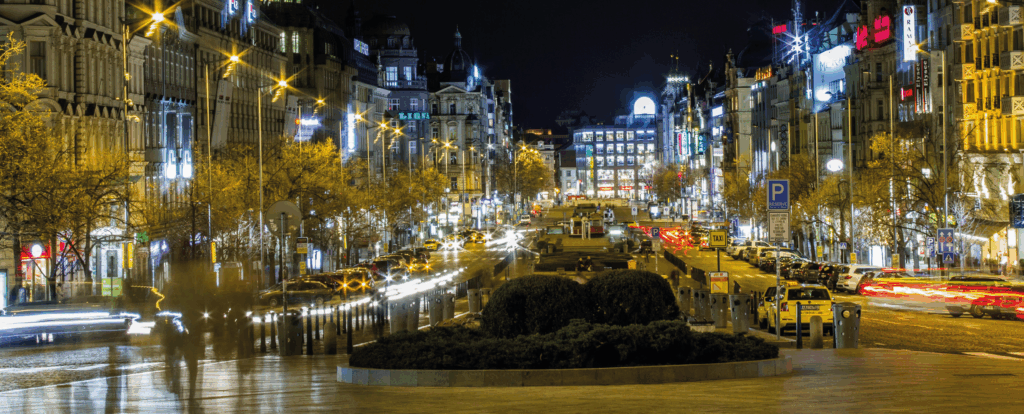
C5
Urban or industrial areas
Every outdoor Mizar product is compliant.
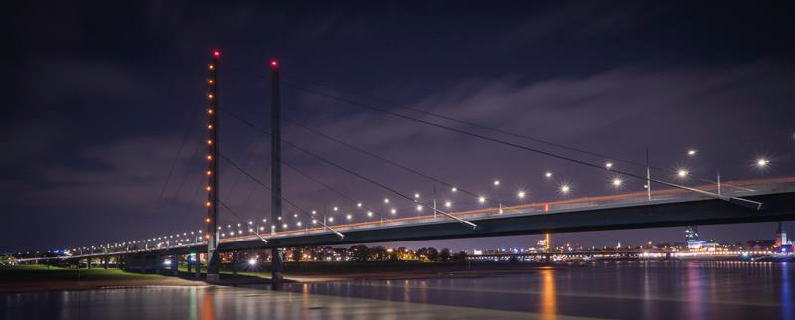
CX
Bridges or marine environments
Only outdoor Mizar products, with exposed surface completely made of
stainless steel / brass / glass / technopolymer , are compliant.
ISO 9223:2012 has defined a system for classifying atmospheric corrosion of metals and alloys in various environmental conditions.
This standard indicates corrosion classes based on observed corrosion rates, in standardized samples, exposed to these environments for one year. Additionally, it provides dose-response functions to estimate the corrosivity level, determined by the normalized annual metal loss due to atmospheric agents.
This approach allows predicting the highest possible corrosion class, considering local environmental factors, including the interaction of temperature, humidity, sulfur dioxide pollution, and salinity.
However, it’s essential to note that the standard doesn’t account for other significant elements such as wind speed, sand abrasion, accidental breakdown of protective layers, maintenance frequency, and exposure levels.
Category
Corrosion level
Environment types
C1
Very low
Dry or cold zone, atmospheric environment with very low pollution and time of wetness, e.g. certain deserts, Central Arctic/Antarctica.
C2
Low
Temperate zone, atmospheric environment with low pollution (SO2: < 5 μg/m³), e.g. rural areas, small towns. Dry or cold zone, atmospheric environment with short time of wetness, e.g. deserts, subarctic areas.
C3
Medium
Temperate zone, atmospheric environment with medium pollution (SO2: 5 μg/m³ to 30 μg/m³) or some effect of chlorides, e.g. urban areas, coastal areas with low deposition of chlorides. Subtropical and tropical zone, atmosphere with low pollution.
C4
High
Temperate zone, atmospheric environment with high pollution (SO2: 30 μg/m³ to 90 μg/m³) or substantial effect of chlorides, e.g. polluted urban areas, industrial areas, coastal areas without spray of salt water or, exposure to strong effect of de-icing salts. Subtropical and tropical zone, atmosphere with medium pollution.
C5
Very high
Temperate and subtropical zone, atmospheric environment with very high pollution (SO2: 90 μg/m³ to 250 μg/m³) and/or significant effect of chlorides, e.g. industrial areas, coastal areas, sheltered positions on coastline.
CX
Extreme
Subtropical and tropical zone (very high humidity period), atmospheric environment with very high SO2 pollution (above 250 μg/m³) including accompanying and production factors and the strong effect of chlorides, e.g., extreme industrial areas, coastal and oshore locations, and occasional contact with salt spray. Category CX is to be considered for extreme situations where the corrosion rates exceed the upper limits in category C5. Indeed, CX refers to specific marine and marine/industrial environments, such as bridges.
* SO2: Sulphur dioxide (not sodium chloride)
Mizar use the standard defined by EN ISO 9227:2017, to test its
products and processes. We implement a pre-treatment process to
produce high-quality coating, ensuring excellent paint adhesion and
optimal corrosion protection through the use of chemicals specifically
dedicated to aluminum.
In a second step , the luminaire is tested in a sodium chloride
atmospheric chamber. This test allows us to monitor the corrosion
behavior of the complete product, checking in detail:
• The quality of the paint
• The sensibility of the design
• The behaviour of stainless-steel screws and the aluminium quality
Mizar also uses EN ISO 12944:2018 to validate its processes for an exposure time over 1500 hours at a constant temperature. All our painted products pass this testing standard. The results are subsequently classified to comply with EN ISO 9223:2012 (as mentioned in the previously indicated table).